Best Bakhoor for Kuwaiti Weddings: Scent Secrets
Walk into a Kuwaiti wedding, and you’ll notice it right away—the rich, inviting aroma of bakhoor drifting through the room. It’s more than just a pleasant scent; it’s part of the welcome, the atmosphere, and the memories guests take home. Choosing the Best Bakhoor for Kuwaiti Weddings can make that first impression feel truly special.
But with so many oud blends, floral notes, and traditional fragrances available, finding the right one isn’t always easy. The Best Bakhoor for Kuwaiti Weddings depends on the venue, the number of guests, the strength of the fragrance, and even how long you want the scent to linger.
In this guide, we’ll look at what actually works—from choosing the right blend to knowing how much to buy—so you can create a warm, luxurious atmosphere without wasting money on bakhoor that falls flat.
At a Glance: Bakhoor Comparison Matrix for the Best Bakhoor for Kuwaiti Weddings
| Wedding Moment / Need | Best Bakhoor Type | Why It Works |
|---|---|---|
| Guest entrance/majlis welcome | Pure oud chips (dehn al oud soaked) | Heavy, unmistakable first impression |
| Bridal room / henna night | Sweet floral-oud blends (rose, amber) | Softer scent that lingers on hair and clothes |
| Main hall during dinner | Musk-oud combination bakhoor | Strong enough to fill large spaces without overpowering food |
| Guest farewell (bakhour al-wadaa) | Light amber or sandalwood mix | Traditional closing gesture, sends guests off smelling elegant |
| Outdoor tent weddings | Charcoal-heavy Cambodian or Indian oud | Burns longer against wind and open air |
Why the Best Bakhoor for Kuwaiti Weddings Still Anchors
Bakhoor isn’t decoration in Kuwait — it’s etiquette. Skipping it, or choosing a cheap synthetic blend, can be noticed just like an unset table. Families often spend more on bakhoor and oud than on flowers because scent is what guests remember long after the wedding. Choosing the Best Bakhoor for Kuwaiti Weddings is therefore about creating the right impression, not simply picking the most expensive blend.
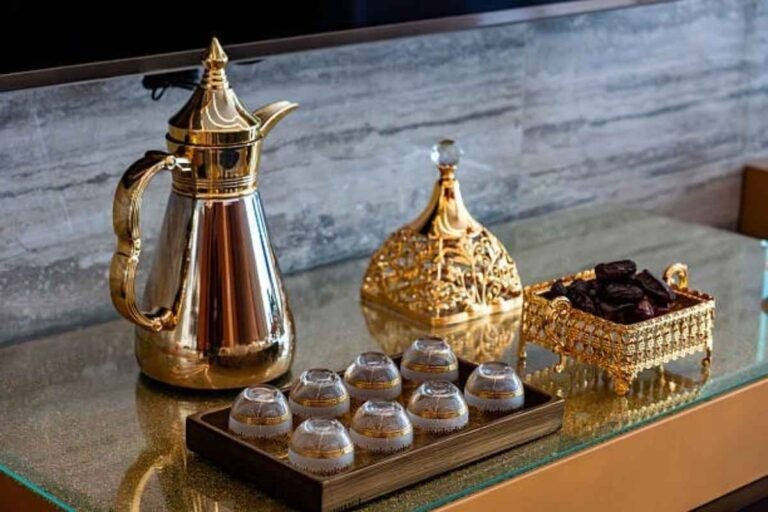
The tradition comes from Gulf hospitality customs, where burning incense is a warm way to honor guests. At weddings, the Best Bakhoor for Kuwaiti Weddings can mark special moments—from the bride’s entrance and dinner service to the farewell, when the mabkhara is passed around one last time.
The Oud Question: Cambodian, Indian, or Kuwaiti Blends
Most high-end Kuwaiti bakhoor is built on an oud base, but the origin of the oud can completely change the scent. Cambodian oud tends to be sweet, honeyed, and slightly fruity, making it a beautiful choice for indoor majlis settings. Indian oud, especially Assam or Hindi grades, is darker, smokier, and more intense—ideal for larger wedding halls where you want the fragrance to travel.
Kuwaiti perfume houses often blend these oud bases with amber, saffron, or rose attar to create a smoother, more distinctive aroma. If you’re looking for the Best Bakhoor for Kuwaiti Weddings, understanding the oud base can help you choose a scent that feels rich, memorable, and perfectly suited to the occasion.
Matching Bakhoor to Each Wedding Stage
The Entrance and Majlis Welcome
This is where families go bold. A heavier, oud-forward bakhoor burned near the entrance creates the first impression guests associate with the whole event. Underestimating quantity here is the single most common mistake — a small burner near a large door gets lost within minutes.
Henna Night (Laylat al-Henna)
Henna night calls for something softer and more feminine. Rose-oud or amber blends work well since the bride and her close circle will be in close contact with the smoke for hours, and a heavy oud scent can become overwhelming indoors over that long a stretch. If henna night also involves late gatherings, check our piece on [Wedding Henna Night Traditions in Kuwait] for pairing scent with the full evening’s flow.
Main Hall During the Reception
Large halls need bakhoor that holds up against air conditioning and hundreds of moving bodies. A musk-oud combination performs best here because musk anchors the scent lower to the ground and keeps it from dissipating too fast. Hosts typically station multiple mabakhir around the hall rather than relying on one central burner.
The Farewell Gesture (Bakhour al-Wadaa)
Passing a burner past each guest as they leave is one of the oldest customs still practiced at nearly every Kuwaiti wedding. A lighter blend is intentional here — guests are about to get in cars or drive home, so amber- or sandalwood-forward bakhoor avoids being too heavy for a closed vehicle.
How Much Bakhoor to Buy for a Kuwaiti Wedding
A mid-sized wedding with around 200–400 guests will typically need 500g to 1kg of quality bakhoor, depending on the venue and how often it is burned throughout the celebration. Outdoor tent weddings may require a little more, as open air causes the fragrance to disperse faster than it does in an enclosed hall.
For the Best Bakhoor for Kuwaiti Weddings, it’s also smarter to buy according to each stage of the event rather than relying on one large batch. Entrance, hall, and farewell bakhoor can each have a different fragrance profile. Buying them separately allows you to match the scent to the moment and create a more balanced experience for your guests, without using one blend too heavily.
Common Mistakes That Ruin Good Bakhoor
Burning the Best Bakhoor for Kuwaiti Weddings too early is a frequent issue. Light it as guests begin arriving rather than an hour beforehand, or the fragrance may peak and fade before most people get a chance to enjoy it. Mixing incompatible blends in the same room, such as fruity Cambodian oud alongside smoky Indian oud, can also create a clash instead of complementing each other. Keep different fragrance zones separated by a few meters for a more balanced aroma.
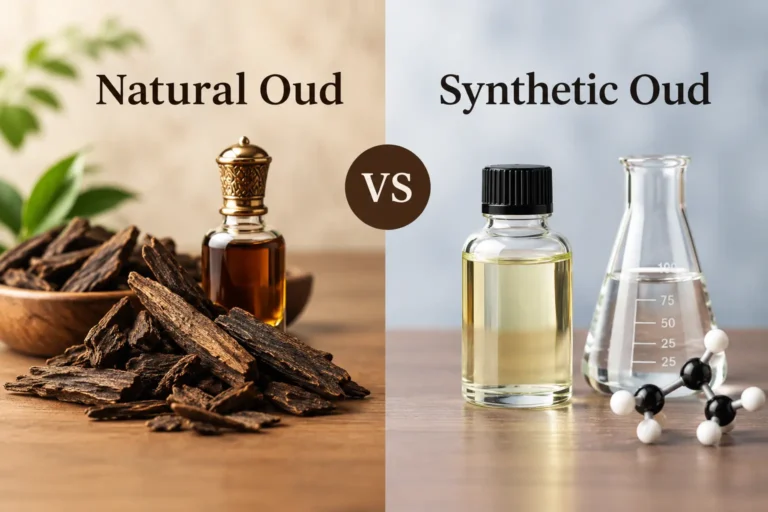
Cheap synthetic bakhoor is another common trap. It often burns quickly, smells sharp rather than warm, and can leave an unpleasant chemical undertone on clothing. When choosing the Best Bakhoor for Kuwaiti Weddings, quality matters just as much as fragrance. If you’re buying bakhoor ahead of the wedding, check our guide on [How to Store Bakhoor for Long-Lasting Scent] to help preserve the oud oils until the big day.
Safety Checklist for Burning Bakhoor at Weddings
Burning incense at a large wedding, especially in enclosed halls or tents, comes with real fire and ventilation risks that should be planned for in advance. When using the Best Bakhoor for Kuwaiti Weddings, proper handling is just as important as choosing the right fragrance.
Use charcoal burners on heat-resistant stands, never directly on tablecloths or wooden surfaces. Keep mabakhir at least one meter away from curtains, flower arrangements, and hanging décor. Venues with closed AC systems should have adequate airflow or ventilation to prevent smoke buildup. Assign one person to monitor the burners in each hall section throughout the event, and never leave a lit mabkhara unattended near children or seating areas.
Avoid placing too much bakhoor on charcoal at once, as it can flare up and produce excess smoke. Finally, check the venue’s fire-safety rules before bringing outside burners, especially in hotel ballrooms. Safe handling helps guests enjoy the Best Bakhoor for Kuwaiti Weddings without unnecessary risks.
Frequently Asked Questions
What is the most traditional bakhoor for a Kuwaiti wedding? Oud-based bakhoor, often blended with warm amber or delicate rose, remains one of the most traditional choices for Kuwaiti weddings. It’s a versatile fragrance that works beautifully across nearly every stage of the celebration, making it a strong option when choosing the Best Bakhoor for Kuwaiti Weddings.
How long does bakhoor scent typically last after a wedding? Quality oud-based bakhoor can leave scent on fabric and hair for 24 to 48 hours, though this depends on the blend’s oil content and how long guests were exposed to the smoke.
Can synthetic bakhoor be used instead of natural oud for cost reasons? It can, but most Kuwaiti families avoid it for weddings specifically because synthetic blends smell sharper, fade faster, and are easily distinguished from natural oud by experienced guests.
Final Thought
Choosing the best bakhoor for Kuwaiti weddings comes down to matching the blend to the moment — bold at the entrance, soft during henna night, strong through dinner, and light on the way out. Get that sequencing right, and the scent becomes part of how guests remember the wedding long after the night ends.
8 Comments