How Is Oud Oil Extracted and Made? (Complete Guide)
If you have ever wondered how is oud oil extracted and made, you are not alone — and short answer aside, the full story of how is oud oil extracted and made involves several very different production methods — it is one of the most common questions buyers ask before spending money on a bottle labeled “pure oud.” Oud oil is one of the most expensive natural oils in the world, and most people have no real idea how it reaches the shelf. In this guide, we answer how is oud oil extracted and made step by step, compare the main production methods, and recommend real products worth trying.
What Is Oud Oil?
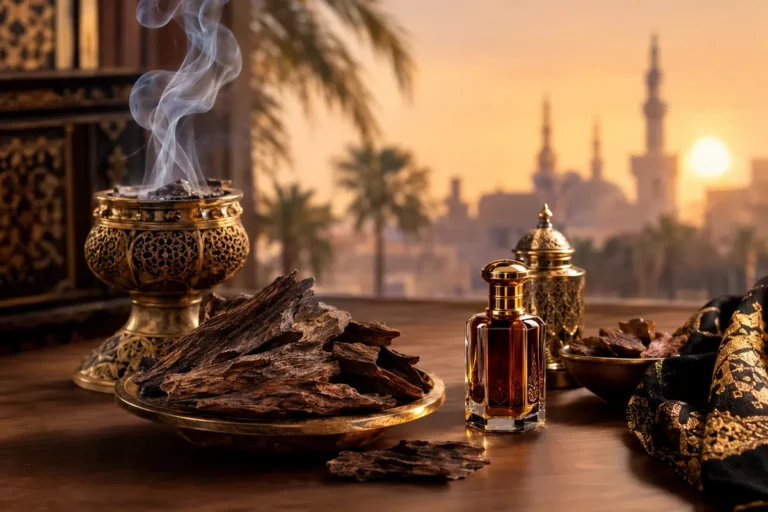
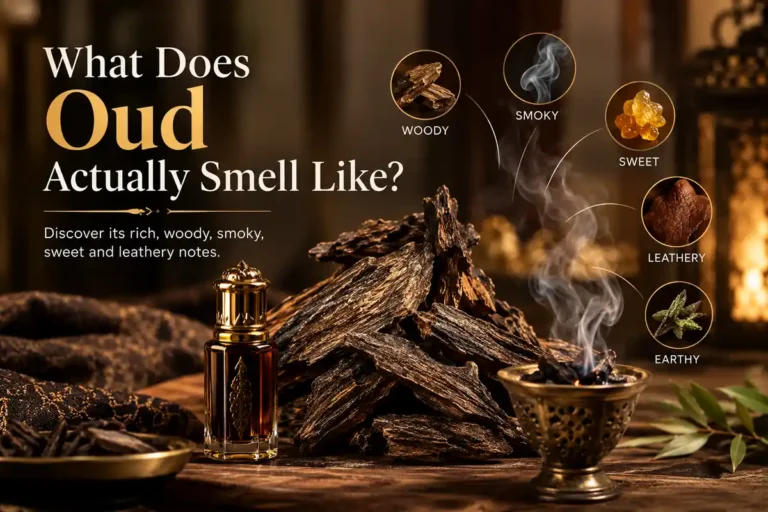
Oud oil, also called agarwood oil or “dahn al oud,” is a dark, resinous oil obtained from the heartwood of infected Aquilaria trees. When these trees are wounded or attacked by a specific mold, they produce a fragrant resin as a defense response. Before we can fully answer how is oud oil extracted and made, it helps to understand that this resin-soaked wood is the raw material every method starts from — and it’s the same starting point regardless of how is oud oil extracted and made afterward.
Why the Process Is So Difficult
Unlike most essential oils, the answer to how is oud oil extracted and made involves a slow, unpredictable, labor-intensive process. Resin content varies wildly from tree to tree, region to region, and even branch to branch, which means producers can’t simply run a standard process and expect consistent output. This is exactly why oud production remains a specialized craft rather than a fully industrialized one, and why authentic oud oil carries such a high price tag.
How Is Oud Oil Extracted and Made? Main Methods in 2026
There are four primary approaches used to answer the question of how is oud oil extracted and made today, each producing a noticeably different final product.
1. Traditional Water/Hydro-Distillation
This is the oldest and most respected way to explain how is oud oil extracted and made, still practiced in India, Cambodia, and parts of Southeast Asia. Agarwood chips are soaked in water for days or even weeks to soften the wood and encourage fermentation, which helps release aromatic compounds.
The soaked wood is then placed in a copper or steel still with water and slowly heated. Steam carries the oil molecules upward into a condenser, where the oil separates from the water.
Many perfumers consider water distillation the gold standard when describing how is oud oil extracted and made, because it produces the deepest, most complex scent profile, though the process can take anywhere from a few days to several weeks per batch.
2. Steam Distillation
Steam distillation offers a faster answer to how is oud oil extracted and made on a commercial scale. Instead of boiling the wood directly in water, steam is passed through the agarwood chips under pressure.
This shortens processing time considerably and gives distillers more control over temperature, which reduces the risk of a burnt or overly harsh final scent. Steam distillation has become popular among commercial producers who need to scale production without sacrificing too much quality.
3. CO2 Extraction
CO2 extraction is a modern answer to how is oud oil extracted and made, using pressurized carbon dioxide instead of water or steam as the extracting medium. Because CO2 extraction operates at lower temperatures, it can preserve delicate aromatic compounds that heat-based methods sometimes destroy.
The resulting oil is often lighter and more transparent in color, appealing to buyers who want a cleaner, less smoky oud profile. This method is more expensive to set up, so it is used mainly by premium and niche fragrance houses.
4. Solvent Extraction
Solvent extraction is the fastest and cheapest way to achieve how is oud oil extracted and made at industrial scale, using chemical solvents like hexane to pull aromatic molecules from the wood. While efficient, this method is generally viewed as inferior for fine fragrance use, since trace solvent residue can remain in the final product. Most reputable workshops avoid this method for premium bottles and reserve it for industrial or low-cost applications.
Step-by-Step: How Is Oud Oil Extracted and Made?
Regardless of which method a producer chooses, here is exactly how is oud oil extracted and made from start to finish:
- Wood sourcing — Agarwood is harvested from trees that show visible resin infection, often identified by darkened, dense sections of heartwood.
- Grading and sorting — Chips are sorted by resin density, since higher resin content dramatically affects the final yield.
- Soaking/fermentation — Chips soak in water for days to weeks, softening the wood and triggering microbial activity that intensifies the aroma.
- Distillation or extraction — The prepared wood undergoes whichever method the producer has chosen (hydro-distillation, steam, CO2, or solvent), which is the core answer to how is oud oil extracted and made.
- Separation — Oil is skimmed off the water layer, then filtered to remove any remaining sediment.
- Aging — Genuine oud oil is typically rested for months, sometimes years, since aging deepens and smooths the fragrance after extraction.
Factors That Affect Oud Oil Quality
Several variables influence the outcome, no matter how is oud oil extracted and made in a given workshop:
- Tree age and species — Older Aquilaria trees with naturally formed resin tend to yield richer oil than young, artificially inoculated trees.
- Resin grade — Higher grades of agarwood produce noticeably more oil per batch.
- Water quality — Mineral content in the water used during distillation can subtly change the final scent.
- Distillation duration — Longer, slower sessions generally produce deeper, more layered aromas than rushed batches.
- Storage and aging — Oil that is properly aged after extraction develops more complexity than oil bottled immediately.
The table below breaks down how is oud oil extracted and made across each production method at a glance.
Comparison Table: How Is Oud Oil Extracted and Made by Method
| Method | Typical Duration | Quality Level | Best For | Example Product |
|---|---|---|---|---|
| Water/Hydro-Distillation | 3–20 days | Highest (traditional, complex) | Collectors, connoisseurs | Ajmal Dahn Al Oudh Muattaq |
| Steam Distillation | 1–5 days | High, more consistent | Commercial premium brands | Arabian Oud Al Sultan Oud Oil |
| CO2 Extraction | Hours to 1 day | High, cleaner and lighter | Niche perfume houses | Amouage Homage Attar |
| Solvent Extraction | Hours | Lower, budget-friendly | Entry-level or industrial use | Al Haramain Amber Oud Oil |
Best Oud Oils to Try (Based on Extraction Quality)
If you want to experience the difference firsthand, these real products each show how is oud oil extracted and made in a slightly different way, and they are widely recommended starting points:
- Ajmal Dahn Al Oudh Muattaq — Produced using traditional hydro-distillation, offering a deep, smoky, classic oud profile favored by purists.
- Arabian Oud Al Sultan Oud Oil — A steam-distilled option known for consistency and a smoother, more approachable scent.
- Amouage Homage Attar — Blends oud with rose and amber, showcasing how gentler extraction preserves delicate top notes.
- Rasasi Al Oudh Al Muattaq — A mid-range option that balances traditional character with everyday wearability.
- Al Haramain Amber Oud Oil — An accessible entry point for newcomers exploring oud without a premium price tag.
Pros and Cons: How Is Oud Oil Extracted and Made Best?
Water/Hydro-Distillation
- Pros: Richest, most authentic aroma; long-standing traditional reputation
- Cons: Time-consuming; expensive; inconsistent yields
Steam Distillation
- Pros: Faster; more scalable; still high quality
- Cons: Slightly less depth than pure water distillation
CO2 Extraction
- Pros: Preserves delicate notes; cleaner final oil
- Cons: Costly equipment; less “smoky” character some buyers expect
Solvent Extraction
- Pros: Cheap; fast; high yield
- Cons: Possible chemical residue; considered lower quality for fine fragrance
How to Spot Authentic Oud Oil (Once You Know How Is Oud Oil Extracted and Made)
Not every bottle labeled “pure oud” actually went through a genuine production process, so it helps to know what to look for before buying. Real agarwood-derived oil is usually thick, dark amber to nearly black in color, and has noticeable viscosity when you tilt the bottle — synthetic imitations tend to be thinner and more watery.
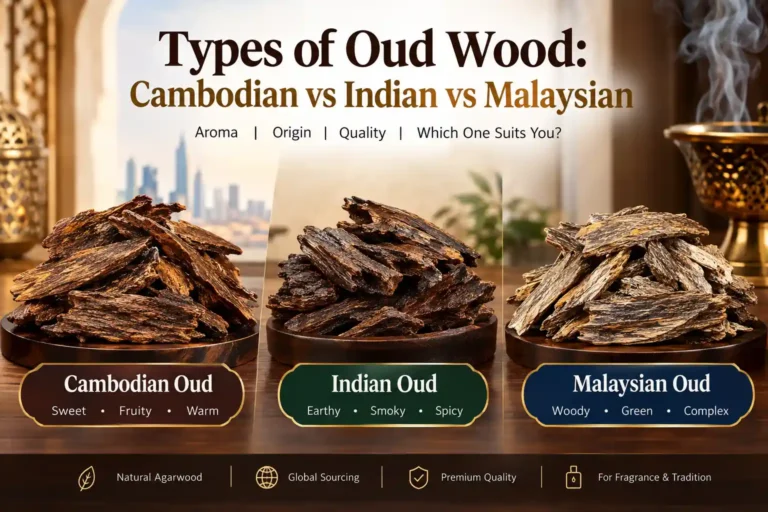
The scent should also evolve over several hours on skin, opening with a woody, slightly animalic note before settling into something warmer and sweeter. Price is another strong signal: because resin yields from Aquilaria trees are so limited, authentic oil rarely sells for a few dollars a bottle. Reputable sellers will usually disclose which region the agarwood came from, since Indian, Cambodian, and Malaysian sources each produce a distinctly different aroma profile.
Frequently Asked Questions
How is oud oil extracted and made, exactly? It starts with resin-infected agarwood, which is soaked, then distilled or extracted using hydro-distillation, steam distillation, CO2 extraction, or solvent extraction, followed by an aging period.
How long does the process take? Depending on the method, it can take anywhere from a few hours (CO2 or solvent extraction) to several weeks (traditional water distillation).
Does how is oud oil extracted and made change from brand to brand? Yes — even brands using the same broad method (like steam distillation) vary in wood grade, soaking time, and aging, which changes the final scent.
Is all oud oil made the same way? No. Producers choose between hydro-distillation, steam distillation, CO2 extraction, and solvent extraction, and the method used significantly affects the final scent and price.
Why is oud oil so expensive? Because genuine production is slow, resin yields are unpredictable, and agarwood resin only forms naturally in a small percentage of Aquilaria trees.
What’s the simplest way to sum up how is oud oil extracted and made? Agarwood is soaked, distilled or extracted using one of four methods, then aged — that’s the short version.
Can oud oil be extracted at home? Small-scale hydro-distillation is technically possible with basic equipment, but achieving commercial-quality results requires experience, proper wood grading, and patience most hobbyists don’t have.
Final Thoughts
Now that you know how is oud oil extracted and made, it’s easier to understand why prices vary so dramatically between bottles that all claim to be “pure oud.” Whether you prefer the deep, traditional character of water-distilled oil or the cleaner profile of CO2-extracted oud, knowing how is oud oil extracted and made helps you choose a product that actually matches what you’re looking for.
2 Comments