What Is Agarwood and Why Is It So Valuable?
If you have ever wondered why a single gram of dark, resin-soaked wood can cost more than gold, the answer lies in one word: agarwood. Oud wood is one of the rarest and most sought-after natural materials on earth, prized for centuries by royalty, perfumers, and spiritual practitioners across the Middle East, South Asia, and East Asia. But what exactly is gaharu wood, how is it formed, and why does it command such staggering prices? In this guide, we break down everything you need to know about aloeswood, from its biological origins to its modern-day uses, so you can understand this “wood of the gods” and make smarter buying decisions if you’re shopping for authentic agarwood products.
What Is Agarwood?
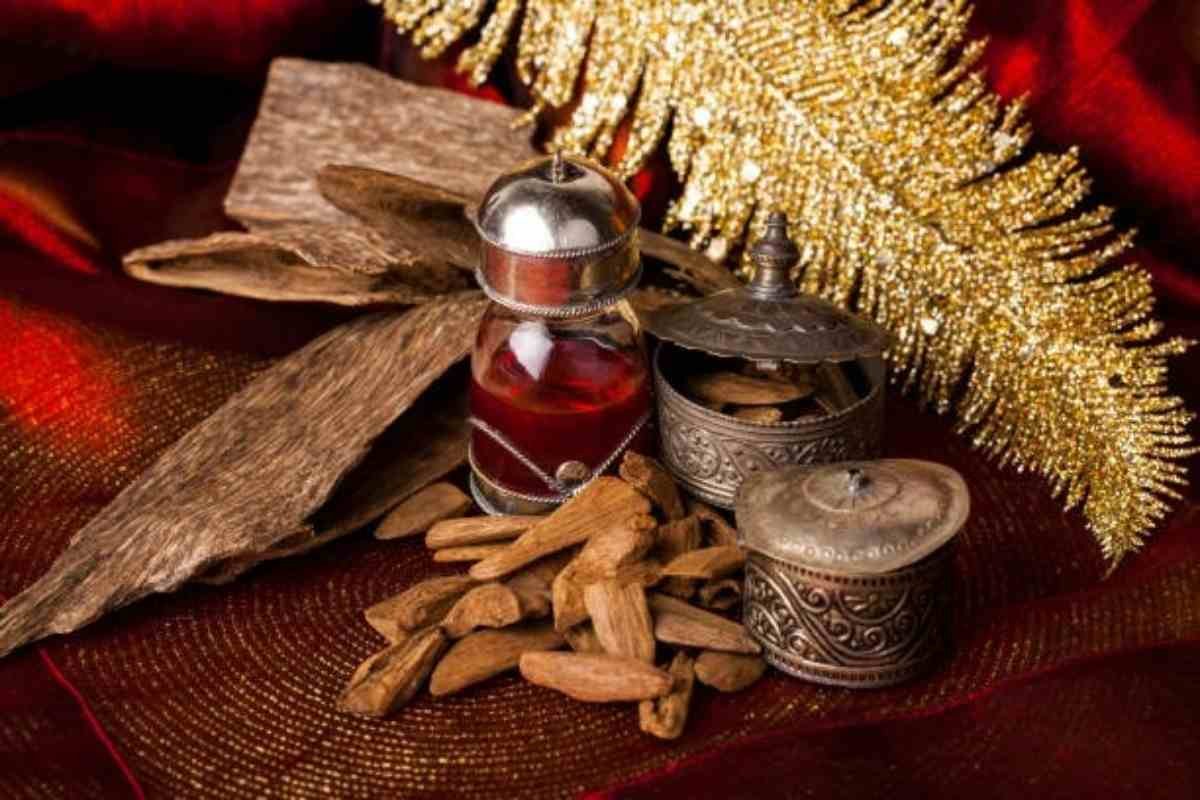
This natural material is a dark, dense, and fragrant resinous wood that forms inside certain species of the Aquilaria tree, primarily found in the tropical forests of Southeast Asia, including Vietnam, Cambodia, Laos, Malaysia, Indonesia, and parts of India and Bangladesh. This resin-infused wood is also known by other names depending on the region, including aloeswood, gaharu, jinko, and eaglewood. Unlike ordinary timber, agarwood does not exist in every tree of the species. It only develops when an Aquilaria tree becomes infected by a specific mold, typically from the Phialophora parasitica fungus, or is wounded through insect attack, lightning strikes, or physical damage.
When the tree is injured or infected, it produces a thick, aromatic resin as a defense mechanism to seal the wound and fight off the infection. Over years, or sometimes decades, this resin saturates the surrounding wood fibers, transforming plain, pale sapwood into the dark, oil-rich material we know as jinko wood. Because this process happens naturally and unpredictably, only a small percentage of wild Aquilaria trees ever produce genuine eaglewood, which is the first major reason for its scarcity.
How Agarwood Forms Inside the Tree
The formation of this rare material is a slow biological survival response, and understanding it helps explain why authentic agarwood carries such a high price tag. Here’s a simplified breakdown of the process:
- Injury or infection – A wound, insect bore hole, or fungal infection breaches the tree’s outer bark.
- Resin production – The tree responds by secreting a protective resin around the wound site.
- Resin accumulation – Over years, the resin spreads through the heartwood, gradually darkening the fibers.
- Maturation – The longer the resin matures inside the tree (often 10 to 20 years or more), the richer, darker, and more complex the resulting resinous wood becomes.
- Harvesting – Once mature, the tree is felled and the resin-infused sections are carefully separated from the unaffected white wood.
Because this natural infection process cannot be reliably controlled or predicted, wild resin-rich wood remains extremely limited, while plantation-grown Aquilaria trees are now artificially inoculated to speed up resin formation, though the quality still rarely matches old, wild-harvested material of this kind.
Why Is Agarwood So Valuable?
Several factors combine to make agarwood one of the most expensive natural raw materials in the world, with high-grade pieces and pure oil from this aromatic wood selling for thousands of dollars per kilogram.
1. Extreme Rarity
Only a small fraction of Aquilaria trees in the wild ever become infected and produce the dark wood, and it can take a decade or more for meaningful resin content to develop. This makes naturally formed agarwood one of the rarest botanical materials on the planet.
2. Overharvesting and Endangered Status
Because demand has historically outpaced supply, wild Aquilaria populations have been heavily overharvested, and several species are now listed under CITES (the Convention on International Trade in Endangered Species), which restricts and regulates international trade. This legal protection further tightens supply and pushes prices even higher.
3. Complex, Labor-Intensive Harvesting
Identifying which trees actually contain this treasured material requires skilled harvesters to inspect, drill, or tap trees in dense forest terrain, often with a low success rate. Once found, the resin-rich sections must be carefully carved away from the surrounding plain wood by hand.
4. Long Maturation Time
The richest, most fragrant gaharu wood typically comes from resin that has matured for many years or even decades inside the tree. Older, deeply saturated aloeswood is graded far higher and priced accordingly, similar to how aged whisky or wine commands a premium.
5. Deep Cultural and Religious Significance
Agarwood holds deep spiritual value across many cultures. It is burned as incense in mosques, temples, and churches, used in traditional Ayurvedic and Chinese medicine, and referenced in religious texts as a symbol of purity and luxury. This centuries-old demand across the Middle East, India, China, and Japan keeps consumption consistently high.
6. Use in Luxury Perfumery
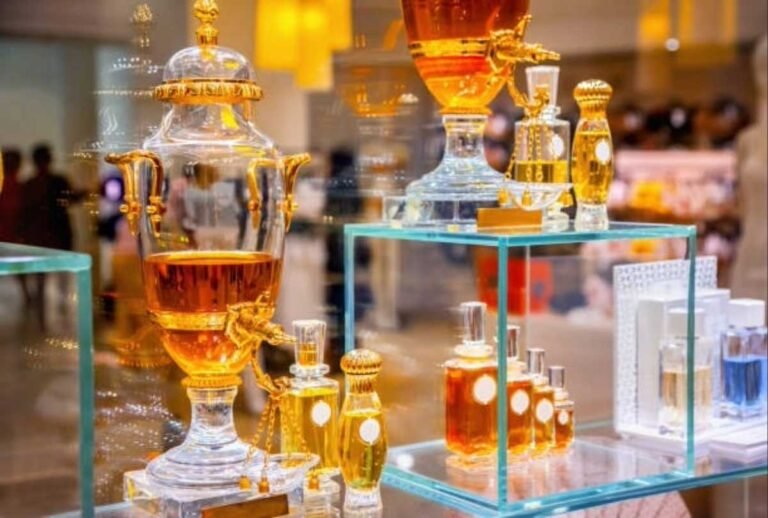
Distilled oil from this resin-infused wood is one of the most prized ingredients in high-end perfumery, valued for its warm, woody, and complex aroma that cannot be fully replicated synthetically. Producing just a small vial of pure oud wood oil can require distilling large quantities of resin-rich wood chips, driving the price per milliliter into hundreds of dollars for premium grades.
Grades and Types of Agarwood
Not all wood of this kind is created equal. Quality is generally judged by resin density, aroma complexity, color, and country of origin. Common classifications include:
- Wild agarwood – Naturally infected trees found in old-growth forests; the rarest and most expensive category.
- Plantation (cultivated) eaglewood – Grown on managed farms with artificial inoculation to trigger resin production faster.
- Super/high grade jinko wood – Extremely dark, dense, oil-saturated wood, often used for the finest incense and oil distillation.
- Medium and low grade agarwood – Lighter resin content, more affordable, still aromatic but less complex.
Origin also affects classification, with Vietnamese and Cambodian resin-rich wood generally regarded among connoisseurs as some of the finest available, followed by Indonesian, Malaysian, and Indian sources, each carrying a distinct scent profile.
Agarwood vs. the Fragrance Extracted From It
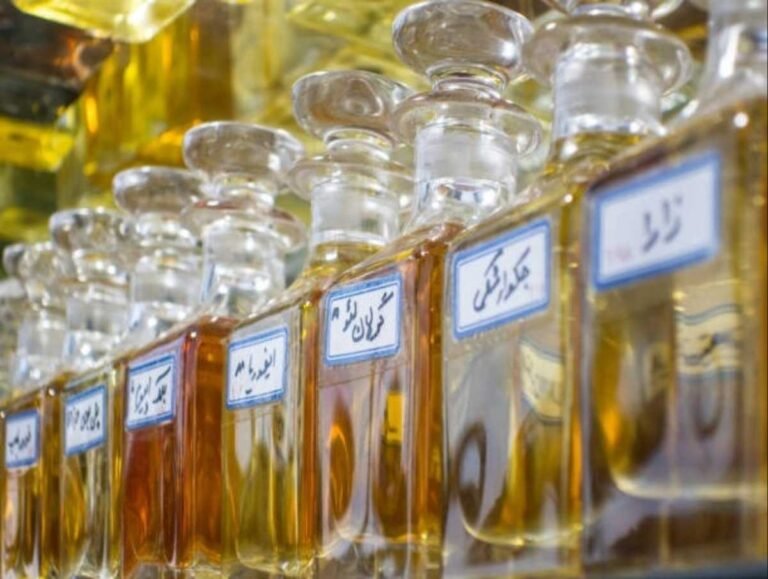
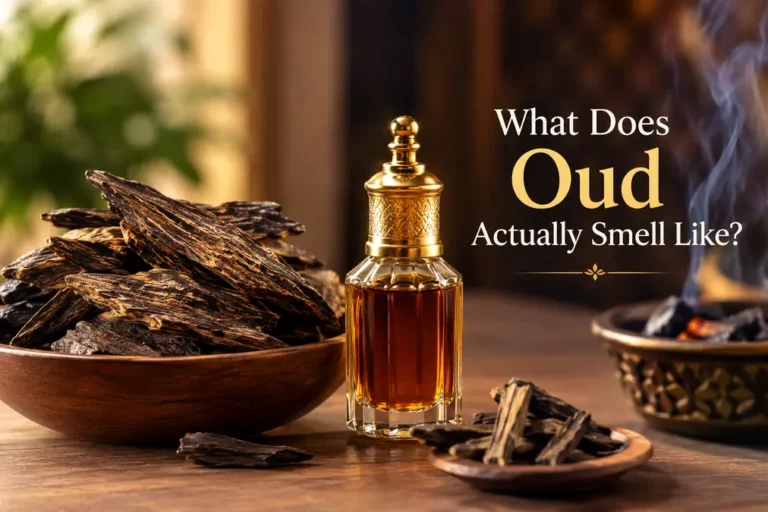
It’s worth clarifying a common point of confusion: this precious material refers to the raw resin-infused wood itself, while the distilled essential oil taken from that wood (often used in fine fragrances) is a separate, more concentrated product. Both come from the same source material, but they’re used differently — raw agarwood chips are typically burned as incense or displayed as collector pieces, while the extracted oil is applied directly to skin or blended into perfume compositions.
Best Agarwood Products to Consider
If you’re looking to experience authentic, resin-rich wood, here are some well-regarded options across different formats and price points:
| Product | Brand | Format | Best For |
|---|---|---|---|
| Cambodi Agarwood Oil | Ensar Oud | Pure distilled oil | Serious collectors and connoisseurs |
| Super Grade Agarwood Chips | Agar Aura | Raw wood chips | Burning as incense |
| Hindi Agarwood Oil | Oud Elite | Pure distilled oil | Perfume layering |
| Amber Oud | Al Haramain | Oil-based fragrance blend | Everyday wear, budget-friendly entry point |
| Royal Cambodian Agarwood | Rare Essence Oud | Raw wood pieces | Traditional bakhoor burning |
| Borneo 3000 Agarwood Oil | Ariana Oud | Pure distilled oil | Gifting and special occasions |
Prices vary significantly based on grade, origin, and purity, so it’s worth buying from specialized, reputable retailers of this aromatic wood rather than generic marketplace listings, since agarwood is one of the most commonly diluted or counterfeited natural materials in the fragrance world.
Pros and Cons of Agarwood
Pros:
- Unique, complex aroma that cannot be synthetically reproduced
- Long-lasting scent, whether burned as incense or worn as oil
- Deep cultural, spiritual, and historical significance
- Considered a worthwhile long-term investment by collectors, as prices continue rising with scarcity
Cons:
- Extremely high cost, especially for wild or high-grade material
- Widespread counterfeiting and dilution in the market
- Ethical and environmental concerns tied to overharvesting
- Requires knowledge to judge authenticity and grade accurately
Frequently Asked Questions
Is this resin-rich material the same as oud? Aloeswood is the resin-infused wood itself, while “oud” typically refers to the oil or fragrance distilled from that wood. The terms are often used interchangeably in casual conversation, but this treasured material specifically describes the raw material.
Why is agarwood so expensive? Gaharu wood is expensive because of its natural rarity, slow decades-long formation process, labor-intensive harvesting, endangered species protections, and consistently high global demand for perfumery, incense, and traditional medicine.
How can I tell if oud wood is authentic? Authentic material of this kind typically has a dense, dark, resin-saturated appearance and sinks or partially sinks in water due to its resin content, unlike synthetic or heavily diluted imitations. Buying from established, specialized sellers with transparent sourcing is the safest way to avoid counterfeits.
Where does the best agarwood come from? Vietnam and Cambodia are widely regarded as producing some of the finest fragrant wood of this kind, prized for their rich, complex aroma, though Indonesia, Malaysia, and India also produce well-respected varieties with distinct scent characteristics.
Is eaglewood sustainable? Wild agarwood harvesting has raised sustainability concerns, which is why several Aquilaria species are protected under CITES. Plantation-grown, artificially inoculated jinko wood is increasingly seen as a more sustainable alternative that reduces pressure on wild forests.
Final Thoughts
The resinous wood remains one of nature’s most fascinating and valuable materials, born from a tree’s defensive response to injury and transformed over years into a substance treasured across cultures and centuries. Whether you’re drawn to this rare material for its spiritual significance, its role in luxury perfumery, or simply its rich, unmatched aroma, understanding what makes genuine agarwood so rare will help you appreciate — and shop for — this remarkable material with far more confidence. For those interested in traditional wedding fragrances, explore [Best Bakhoor for Kuwaiti Weddings] to discover how oud-based bakhoor adds warmth and elegance to special celebrations.

4 Comments